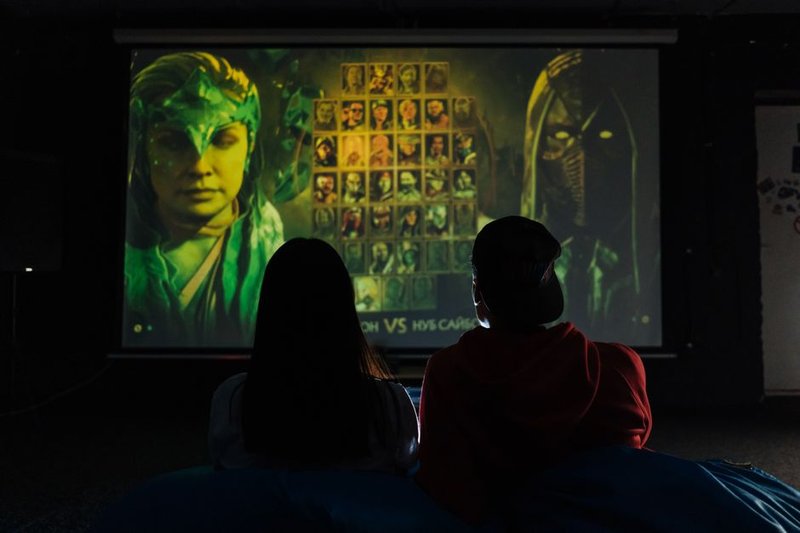
Breaking Down the Flex Range in Tales of the Abyss
A closer look at how positioning and timing shape one of the more underappreciated action-RPG battle systems in the genre.
From Suez, we dig into anime-style RPGs and the art direction, combat systems, and stories that make them worth playing.
Dive InA running rotation of cel-shaded RPGs under our editorial lens
We revisit its Flex Range battle system and how the cel-shaded character models held up against contemporaries of its era.
Less known as narrative content, its cutscene direction shows how fighting-game studios approach cel-shaded storytelling outside RPGs.
A Ghibli-adjacent art style paired with turn-based familiar combat — we examine why its visual charm still gets cited today.
Its blade combat system and painterly cel-shading get a deeper look, especially how animation choices tie into gameplay pacing.
An underrated pick for its dialogue-driven pacing and understated cel-shaded environments that reward patient exploration.
Overlooked outside niche circles, its Chopin-inspired setting and cel-shaded visuals make for one of our favorite deep-dive candidates.
Read our breakdowns before you commit hours to a new cel-shaded RPG.
How we approach every anime-style RPG we cover
We stick to anime-style RPGs and cel-shaded combat, so every piece comes from sustained familiarity with the genre's mechanics.
We go past surface impressions and examine how battle systems, animation timing, and art style actually interact during play.
Written by enthusiasts for enthusiasts — no filler, no marketing language, just honest takes from people who play these games.
New releases, overlooked classics, and everything in between get regular attention, not just the big-name titles everyone already covers.
Recent editorial pieces from the Little M Online team
A closer look at how positioning and timing shape one of the more underappreciated action-RPG battle systems in the genre.

Revisiting a lesser-discussed title whose painterly visuals and musical setting deserve more attention than they usually get.
A practical guide to understanding driver-blade synergy and how it shapes encounter pacing across the game's long campaign.

Looking back at how visual collaboration with a famed animation studio shaped both combat feel and world tone.

An examination of why this dialogue-heavy franchise keeps a devoted following despite rarely dominating mainstream conversation.
A few things people often ask about how we cover anime-style RPGs
We focus on RPGs where character models and effects use flat-shaded, outlined rendering meant to mimic hand-drawn animation, paired with active or turn-based combat mechanics worth analyzing.
Yes. We regularly revisit older titles like Eternal Sonata alongside newer releases, since art style trends and combat design choices are often best understood across a longer timeline.
We aim to complete or substantially progress through a game's main story and side content before publishing analysis, particularly for combat system breakdowns that need context from multiple encounter types.
Our focus is analysis over ranking — we're more interested in explaining how a battle system or art direction choice works than assigning a definitive score.
We're an editorial team working out of Suez, Egypt, covering anime-style RPGs and cel-shaded games for readers across the region and beyond.